Cost Differences Among Casting Processes
Ningbo Fly Engineering Machinery Co.,LTD provides castings made in different casting processes in China.
Different casting techniques come with distinct cost characteristics, which directly affect production planning and product pricing. So, we can choose the best suitable casting processes for clients, according to the structures, materials and functions of their products.
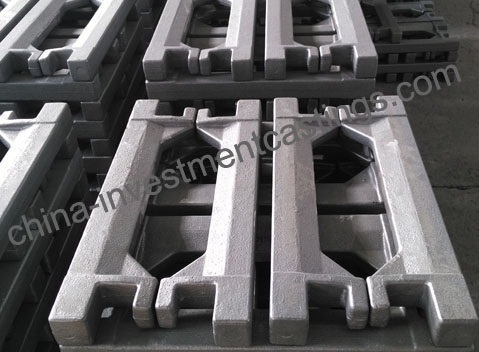
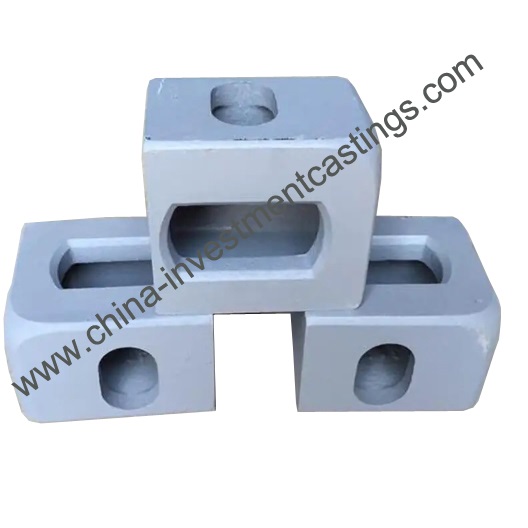
Sand casting has the lowest upfront cost. Its simple mold production and accessible raw materials cut early investment. It fits small-batch production and custom parts, yet its labor cost rises for high-volume orders. Steel parts, iron parts and aluminum parts with low requirements on dimension accurancy can be made by sand casting process.
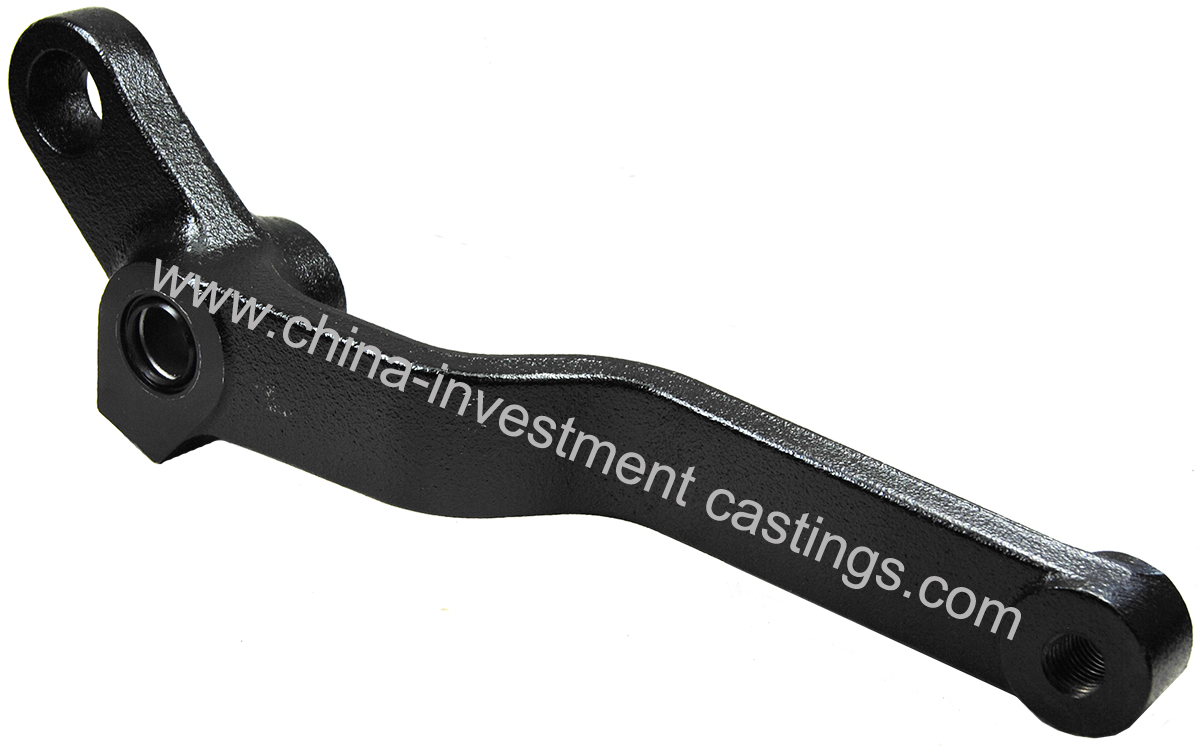
Investment casting delivers excellent surface finish and high dimensional accuracy. However, complicated manufacturing steps and expensive consumables push up overall costs, making it ideal for premium small precision components. Most of the time, we produce steel castings with weight less than 100kgs in investment casting process in China.
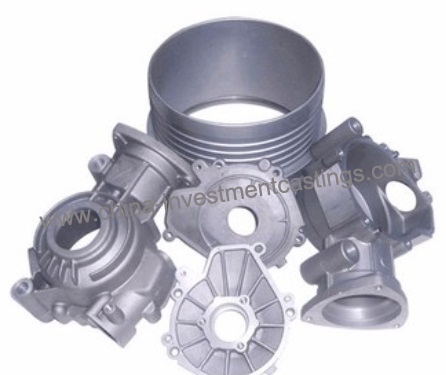
Die casting adopts durable metal molds. The initial equipment and mold investment is quite high, while the single-piece cost drops sharply in mass production. It is cost-effective for standardized large-scale parts. Most of the aluminum parts are made in die casting process in our factory.
Gravity casting enjoys moderate cost and steady product quality, striking a good balance between expense and performance. Pressure casting needs advanced facilities, resulting in higher initial spending.
Enterprises choose proper casting methods according to part requirements, production quantity and budget to achieve optimal cost control. If you are in need of casting parts, contact us. We will provide the most suitable casting process with qualified castings.
|
|
|
|